


Source: Freepik
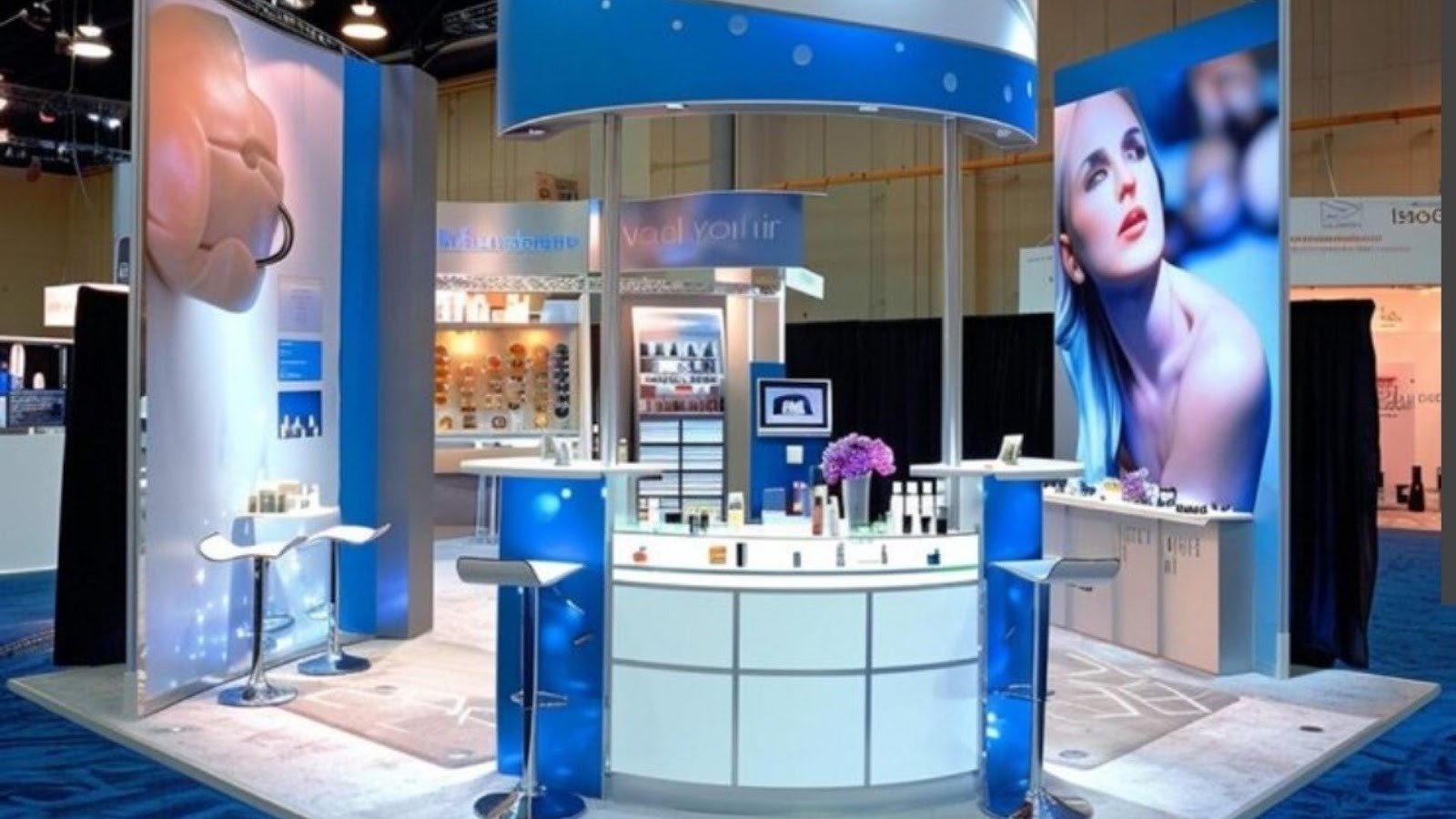
Sustainability has ceased to be a necessary consideration, but it is a priority in contemporary trade show planning. With the growing demand on brands to reduce waste, emissions, and resource use, the exhibition industry is undergoing significant change. Trade shows, which used to be linked with short-term construction and throw-away materials, are currently transforming into responsible design and long-term thinking. -the key element in executing events. In its turn, modular rental exhibits have proved to be such an effective solution, as they are both environmentally responsible and appealing to the eye, flexible, and economical.
Five Sustainable Trade Show Practices Enabled by Modular Rental Exhibits
Source: Freepik
1. Reducing Material Waste Through Trade Show Rental Booths
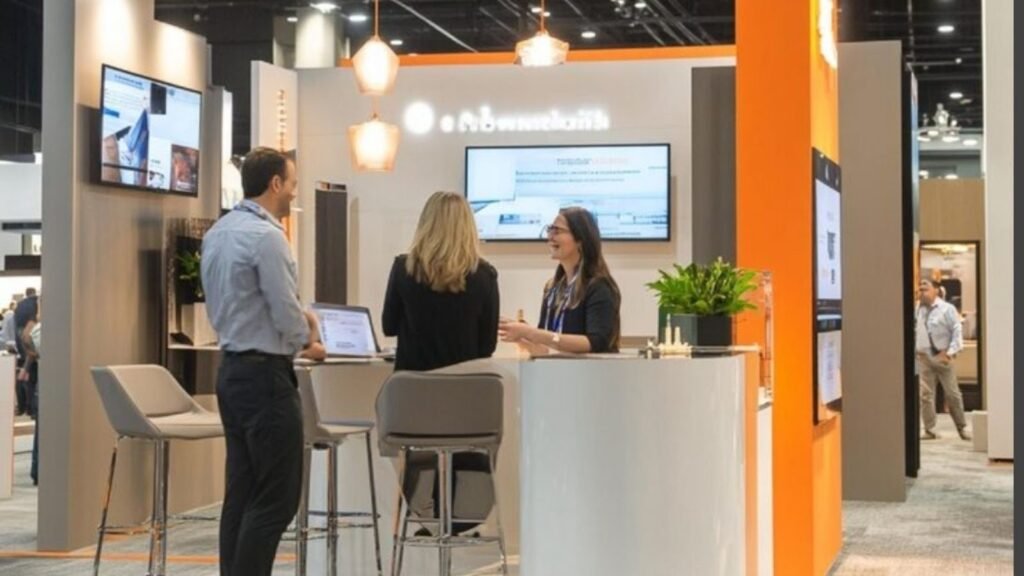
Waste reduction is one of the greatest environmental advantages of trade show rental booths. The custom-built exhibits are usually torn down and discarded in bulk after a single event, with mounds of wood, plastic, vinyl, and even metal being thrown into landfills. Modular rental systems remove this loop through the use of standardized components, which are intended to be used over again for different events and clients.
Panels, frames, and counters are designed to be reconfigured instead of being scrapped. This will significantly reduce the amount of material used and the carbon footprint of producing new exhibits each time a show is held. Rental exhibits make sustainability not an abstract desire, but an outcome.
2. Lowering Carbon Emissions Through Lightweight, Modular Design
One of the greatest contributors to the environmental impact of trade shows is transportation. The size and the weight of custom-built booths demand huge shipping containers, several freight deliveries, and the consumption of extra fuel. Modular rentals are also built to be lightweight, compact, and easy to transport, which can greatly lower logistics-related emissions.
A decrease in shipping volumes will lead to a reduction in the number of trucks and fuel usage, and make it easier to handle in event venues. Several modular systems can be matched to the regular shipping cases, which makes them even more efficient in terms of transportation. This stream mapping method not only aids the sustainability aspirations but also makes the establishment and dismantling process easy, consuming less labor and less energy in the field.
3. Supporting Circular Design Through Reusability and Adaptability
Sustainable design works on the circular concepts of reuse, adaptation, and longevity. The principles of modular rental exhibits can be applied because they are reconfigurable, refreshed, and repurposed, which does not require constructing them completely anew. The same system can serve multiple booth sizes, layouts, and branding requirements within multiple shows.
Graphics may be replaced without a structure, which will extend the life of the core components and may be used to refresh a visual image. Such flexibility saves the need to acquire new materials and is less wasteful. Circular design reduces resource consumption as well as enables quicker cycles of planning, and thus, sustainability is not incompatible with dynamic marketing requirements.
4. Encouraging Responsible Material Choices and Manufacturing
The modular rental exhibition usually uses responsibly sourced and strong materials that can be handled again and again. Frames and panels are made of aluminum, and fabric graphics take the place of heavier, single-use materials that were used in custom-built frames and panels. These materials are chosen based on strength, lifespan, and reduced environmental impact throughout their lifecycle.
Production of fewer but high-quality parts will save energy and reduce industry waste. This change will, over time, promote more responsible production practices across the supply chain. The ability to select materials sustainably means that the environmental responsibility is incorporated into the exhibit itself and is not seen as an addition.
5. Aligning Brand Values With Sustainable Event Practices
Trade shows are brand environments that face the general public through which values are expressed visually and behaviorally. Modular rental exhibit usage is a sign of sustainability, which appeals to the environmentally conscious masses, partners, and stakeholders. This consistency helps in building credibility as well as positioning the brand in the long term.
Environmentally friendly show practices are responsible without impacting the quality of design and interaction. Properly designed modular booths provide refined designs, good branding, and experience-driven experiences without harming the environmental objectives. This equilibrium demonstrates that sustainability can be a competitive edge and not a constraint, and eco-friendly decisions are more than possible to maintain an impressive event presence.
End Point
Sustainability is now considered a hallmark in new-day trade show strategy, and modular rental exhibits provide a viable way out. These systems transform the planning and execution of events by minimizing waste, reducing emissions, promoting the idea of the circular design, promoting responsible materials, and aligning the brand values to action. Green design is no longer a luxury; it has become a strategic investment that will provide environmental, operational, and reputational returns. Sustainability is not only the way it is in the current exhibition environment, but it is also crucial.
