


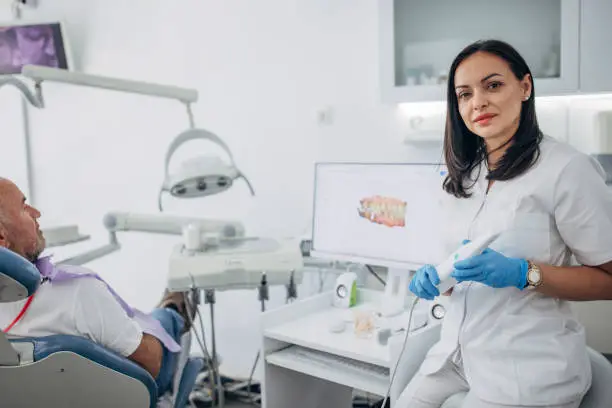
The landscape of oral healthcare has undergone a radical transformation over the last decade, moving away from the intimidating, clinical environments of the past toward patient-centered hubs of innovation. Selecting a dental provider is no longer just about finding someone to fill a cavity; it is about choosing a partner who utilizes the latest medical breakthroughs to protect your systemic health.
Modern dentistry integrates advanced engineering, digital imaging, and biological research to provide results that are not only more aesthetic but also significantly more durable and less invasive. When you step into a contemporary clinic, you are benefiting from a shift in philosophy that prioritizes prevention and precision over reactive treatments.
This evolution in care ensures that every procedure, from a routine cleaning to a complex full-mouth restoration, is executed with a level of accuracy that was previously impossible. Because your oral health is intrinsically linked to your heart health, respiratory function, and diabetes management, the tools your dentist uses have a direct impact on your overall longevity.
This guide explores the foundational reasons why upgrading to a modern dental facility is the most important decision you can make for your smile. By understanding these eight pillars of modern care, you can approach your next appointment with the confidence that you are receiving the highest tier of medical advocacy available in the 21st century.
1. Precision Diagnostics with Digital Imaging Technology
One of the most significant advantages of a modern clinic is the departure from traditional, low-resolution film X-rays in favor of high-definition digital imaging. Digital X-rays provide instantaneous results and allow the dentist to zoom in on microscopic fractures or early-stage decay that would be invisible to the naked eye.
If you are looking for a practice that combines these high-tech diagnostic capabilities with a warm, community-focused atmosphere, you might find that the expert team at Sauganash Smiles Dentistry offers the perfect blend of modern innovation and personalized patient care to meet your family’s needs. These digital systems also reduce radiation exposure by up to 80% compared to older methods, making them much safer for long-term health monitoring.
Furthermore, the use of intraoral cameras allows you to see exactly what the dentist sees on a chairside monitor. This transparency fosters a collaborative environment where you can actually see the problem area, helping you understand the necessity of a specific treatment plan and ensuring that no diagnostic detail is overlooked during your comprehensive examination.
2. Enhanced Comfort Through Minimally Invasive Procedures
Modern dentistry focuses heavily on preserving as much of the natural tooth structure as possible through minimally invasive techniques. In the past, treating a small cavity often required removing a significant portion of healthy enamel, but contemporary materials and tools allow for much more conservative repairs.
The use of dental lasers, for instance, can often replace the traditional drill for certain procedures, reducing the need for local anesthesia and minimizing the “vibration” sensation that many patients find distressing. These lasers are also incredibly effective for gum treatments, as they cauterize the tissue as they work, leading to significantly less bleeding and faster swelling reduction.
By choosing a clinic that prioritizes these gentle methods, you experience less post-operative discomfort and a much quicker return to your daily routine. Minimally invasive care isn’t just about comfort; it is a biological strategy designed to keep your natural teeth strong and functional for a lifetime by avoiding the structural weakening that often accompanied older, more aggressive dental interventions.
3. The Accuracy of 3D Cone Beam Computed Tomography (CBCT)
For advanced procedures like dental implants or complex root canals, a standard 2D X-ray simply isn’t enough to ensure the highest level of safety. Modern clinics utilize 3D CBCT scanners to create a three-dimensional digital model of your entire craniofacial structure, including bone density, nerve pathways, and sinus cavities.
This allows the dentist to perform “virtual surgery” on a computer before ever touching your mouth, ensuring that implants are placed in the optimal position for both strength and aesthetics. This level of planning eliminates the guesswork that often led to complications in traditional settings.
When a dentist can visualize the exact thickness of your jawbone in 3D, they can avoid vital structures and ensure a much higher success rate for surgical outcomes. This technology is a cornerstone of modern restorative success, providing a blueprint for precision that protects the patient from unexpected anatomical surprises and ensures that the final restoration integrates perfectly with the underlying biological framework.
4. Digital Impressions and the End of Messy Putty
Almost everyone remembers the unpleasant experience of biting into a tray filled with cold, gooey putty to create a mold of their teeth. Modern dentistry has effectively replaced this “gag-inducing” process with digital intraoral scanners. These handheld wands take thousands of tiny photographs per second to create a highly accurate 3D digital impression of your bite. This data is then sent instantly to a lab or an in-office milling machine, resulting in crowns, bridges, and clear aligners that fit with sub-millimeter precision.
Because digital impressions don’t “shrink” or “distort” like traditional putty, the final restorations require far fewer adjustments and feel much more natural in the mouth. This digital workflow also speeds up the entire treatment process, often reducing the waiting time for permanent restorations from weeks to just a few days. For the patient, this means a more comfortable experience in the chair and a final product that aligns perfectly with their unique dental anatomy, reducing the risk of future bite misalignments.
5. Superior Aesthetics with Advanced Composite Materials
The “silver” amalgam fillings of the past are rapidly becoming obsolete in modern clinics, replaced by advanced tooth-colored resin composites and high-grade ceramics. These modern materials are engineered to mimic the translucency, light reflection, and wear resistance of natural tooth enamel.
A modern dentist can blend various shades to create a restoration that is virtually indistinguishable from your original tooth, even under close inspection. Beyond aesthetics, these materials chemically bond to the tooth structure, which helps to reinforce and support the remaining enamel rather than just sitting inside a hole.
This bonding process prevents the tooth from cracking over time, a common issue with old metal fillings that expanded and contracted with temperature changes. Furthermore, modern ceramics used for crowns and veneers are incredibly strong and resistant to staining, ensuring that your smile remains bright and functional for decades. Choosing a modern clinic means you never have to choose between a healthy tooth and a beautiful, natural-looking result.
6. Improved Patient Education and Communication Tools
A modern dental clinic functions as an educational hub where patients are empowered to take control of their own health. Through the use of high-definition monitors and educational software, dentists can show patients 3D animations of their proposed treatments, making complex procedures like bone grafting or orthodontic movement easy to visualize.
This level of communication builds a deep sense of trust and ensures that there are no surprises regarding the expected outcome. Many contemporary practices also utilize secure client portals where you can view your X-rays, track your treatment progress, and communicate directly with your clinical team.
This digital connectivity ensures that you are an active participant in your healthcare journey rather than just a passive recipient of care. When you understand the “why” behind a recommendation, you are much more likely to stay consistent with your home care and preventive checkups, leading to better long-term results and fewer emergency visits throughout your life.
7. Specialized Focus on Dental Anxiety and Sedation Options
Modern dentistry recognizes that a significant portion of the population suffers from dental phobia, and contemporary clinics are specifically designed to address this challenge. From the architectural layout which often features calming colors and natural light to the availability of advanced sedation options, the modern “patient experience” is miles away from the sterile, frightening offices of the past. Clinics now offer various levels of relaxation, ranging from “laughing gas” to oral conscious sedation and even IV sedation for more complex cases. This ensures that even the most anxious patient can receive the care they need in a state of complete calm.
Furthermore, many modern offices provide “comfort menus” that include noise-canceling headphones, weighted blankets, and climate-controlled rooms to soothe the senses. By removing the emotional and sensory triggers of dental anxiety, modern clinics make it easier for patients to maintain their oral health, preventing small problems from turning into major health crises due to avoidant behavior.
8. Integration of Systemic Health Monitoring
Perhaps the most profound reason to choose a modern clinic is the holistic approach to wellness that views the mouth as a gateway to the rest of the body. Modern dentists are trained to look for early signs of systemic issues, such as oral cancer, sleep apnea, and even nutritional deficiencies. Many contemporary offices now offer screenings for high blood pressure and use saliva testing to identify specific bacteria that are linked to an increased risk of heart disease and stroke.
By identifying these markers early, your dentist acts as a vital part of your primary care team, potentially saving your life through early intervention. This shift from “tooth-centric” care to “body-centric” care is the hallmark of a truly modern practice. When you visit a clinic that understands the mouth-body connection, you aren’t just getting a cleaning; you are getting a comprehensive health assessment that prioritizes your total vitality and long-term quality of life.
Frequently Asked Questions (FAQs)
1. Are modern dental procedures more expensive than traditional ones?
While the upfront cost of advanced technology might be slightly higher, modern dentistry often saves you money in the long run. By using more durable materials and catching problems earlier with digital diagnostics, you avoid the need for repeated repairs or more invasive, expensive surgeries later.
2. Is the radiation from digital X-rays safe for children?
Yes, digital X-rays are significantly safer than traditional ones. They use up to 80-90% less radiation, making them an excellent choice for children whose developing tissues are more sensitive to radiation exposure.
3. Do all modern dentists offer sedation?
Most modern clinics offer at least basic sedation like nitrous oxide. However, for deeper levels of sedation like IV, the dentist must have specialized training and certification. It is always best to ask about their specific sedation credentials during your consultation.
4. How long do modern tooth-colored fillings last?
With proper oral hygiene and regular checkups, modern composite fillings typically last between 7 to 10 years, and often much longer. They are designed to bond directly to the tooth, making them very resilient against daily wear and tear.
5. Can a modern dentist help with sleep apnea?
Yes! Many modern dentists are trained in dental sleep medicine. They can provide custom-fitted oral appliances that keep the airway open during sleep, offering a comfortable alternative to CPAP machines for patients with mild to moderate obstructive sleep apnea.
Conclusion
Choosing a modern dentistry clinic is an investment that yields dividends in the form of superior health, comfort, and aesthetics. By moving away from outdated methods and embracing the precision of digital diagnostics, minimally invasive techniques, and advanced materials, you ensure that your oral care is grounded in the best science available today. Modern dentistry does more than just fix teeth; it protects your systemic health and provides a stress-free environment where you can actually enjoy the process of improving your smile.
The integration of 3D imaging, digital impressions, and a holistic approach to wellness means that your results will be more predictable and longer-lasting than ever before. Don’t settle for the “standard” care of the past when you can have the specialized, high-tech advocacy of the present. Your smile is one of your most valuable assets—it deserves the protection and precision that only a modern, innovation-driven clinic can provide. Take the first step toward a healthier future by selecting a dental home that prioritizes your total well-being through the power of modern medicine.
