


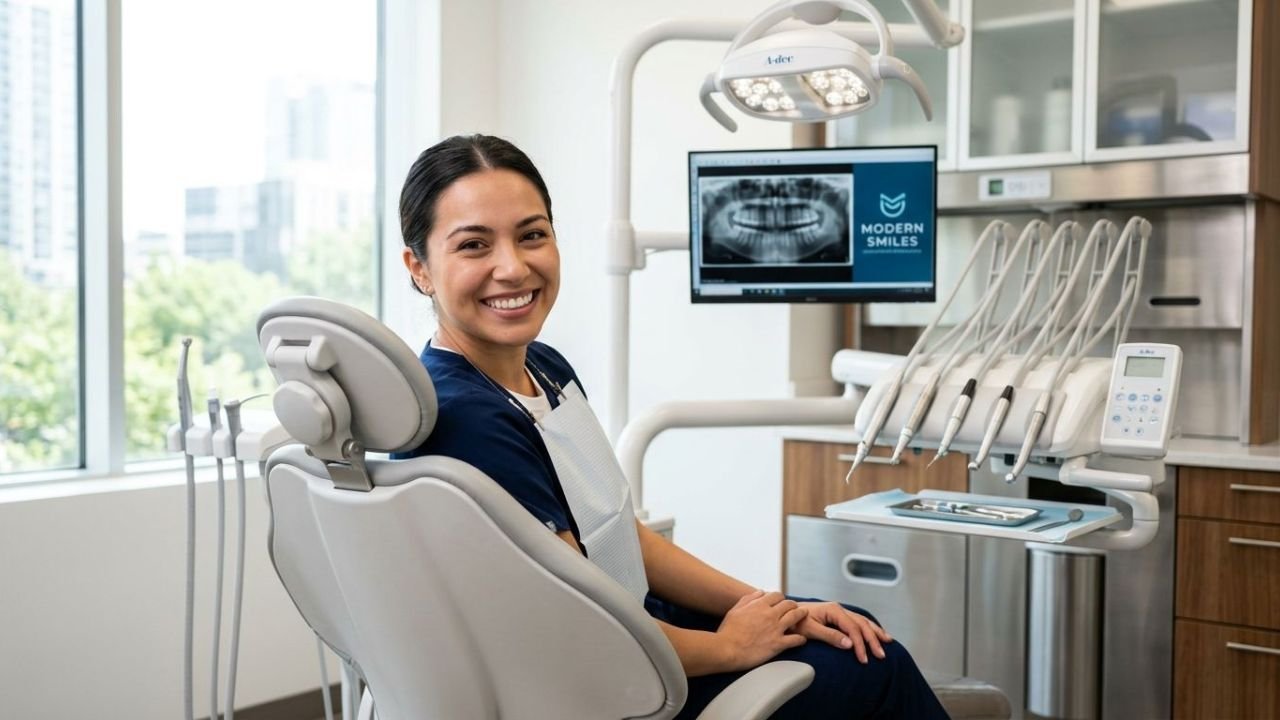
A healthy smile is more than just attractive. It plays an important role in your overall health, confidence, and daily life. Good oral hygiene helps prevent tooth decay, gum disease, bad breath, and many other dental problems that can affect people of every age.
If you searched for BrassSmile, you are likely looking for reliable information about dental health, oral care, and ways to keep your smile in excellent condition. While BrassSmile may refer to different brands or websites depending on the context, this article focuses on practical and trustworthy information that anyone can use to improve their oral health.
Whether you want to prevent cavities, understand dental treatments, or build better brushing habits, this guide explains everything in simple English. The information is based on well-known dental recommendations and includes practical tips that you can use every day.
Table of Contents
- What Is BrassSmile?
- Why Oral Health Matters
- The Basics of Daily Dental Care
- Essential Oral Hygiene Routine
- Common Dental Problems
- Dental Treatments Explained
- Healthy Foods for Strong Teeth
- Foods That Can Harm Your Teeth
- Children’s Dental Care
- Oral Health for Adults and Seniors
- BrassSmile Daily Care Checklist
- Benefits and Limitations
- Frequently Asked Questions
- Conclusion
What Is BrassSmile?
The keyword BrassSmile may be associated with different online resources related to oral health or dental information. Since there is no widely recognised medical product or official healthcare organisation using this exact name, it is important not to assume a specific meaning without additional context.
In this guide, BrassSmile represents a complete approach to achieving better oral hygiene through daily care, professional dental check-ups, healthy eating habits, and informed decisions about dental treatments. These are the same practices recommended by dental professionals around the world for maintaining healthy teeth and gums over the long term.
Why Oral Health Matters
Many people think oral health only affects their teeth, but the truth is much broader. Healthy teeth and gums support proper chewing, clear speech, fresh breath, and self-confidence. Poor oral hygiene can lead to painful infections, tooth loss, and gum disease. Research also suggests that severe gum disease may be linked with other health conditions, although these relationships can be complex and do not necessarily mean one directly causes the other.
A healthy mouth allows you to enjoy your favourite foods without discomfort and helps reduce expensive dental treatments later. Regular brushing and preventive care are much easier and less costly than treating advanced dental problems after they develop.
The Basics of Daily Dental Care
Brush Properly
Dentists generally recommend brushing your teeth twice every day using fluoride toothpaste. Each brushing session should last about two minutes. A soft-bristled toothbrush is usually the best choice because it cleans effectively without damaging your gums or tooth enamel.
Floss Every Day
Brushing alone cannot remove all food particles trapped between teeth. Daily flossing helps clean those difficult areas and lowers the risk of cavities and gum disease.
Clean Your Tongue
Many bacteria live on the tongue. Cleaning it with a tongue scraper or toothbrush helps reduce bad breath and improves overall oral hygiene.
Replace Your Toothbrush
Most dentists suggest replacing your toothbrush every three to four months, or sooner if the bristles become worn.
Essential Oral Hygiene Routine
| Morning Routine | Evening Routine |
| Brush teeth | Brush teeth thoroughly |
| Clean tongue | Floss carefully |
| Drink water | Clean tongue |
| Eat a healthy breakfast | Avoid sugary snacks before bed |
Following this routine consistently provides long-term benefits. Small daily habits often make the biggest difference in protecting your teeth throughout life.
Common Dental Problems
Cavities
Cavities develop when bacteria produce acids that slowly damage tooth enamel. Sugar and poor oral hygiene increase the risk.
Symptoms
- Tooth pain
- Sensitivity
- Visible holes
- Food getting stuck
Gum Disease
Gum disease begins with plaque buildup around the gums. If left untreated, it can progress and eventually affect the bones supporting the teeth.
Warning Signs
- Bleeding gums
- Swollen gums
- Persistent bad breath
- Loose teeth
Tooth Sensitivity
Sensitivity often occurs when enamel becomes thinner or gums recede. Hot, cold, sweet, or acidic foods may trigger discomfort.
Bad Breath
Bad breath may result from poor oral hygiene, dry mouth, smoking, certain foods, or underlying medical conditions. Persistent bad breath should be evaluated by a dental professional.
Dental Treatments Explained
Professional Cleaning
Professional cleanings remove hardened plaque that brushing cannot eliminate. Most people benefit from regular dental check-ups, although the ideal schedule varies based on individual needs.
Fillings
Dentists use fillings to repair teeth damaged by decay before the problem becomes larger.
Root Canal Treatment
A root canal saves an infected tooth by removing damaged tissue inside the tooth while preserving its outer structure whenever possible.
Dental Crowns
Crowns strengthen weak or damaged teeth and restore their appearance.
Teeth Whitening
Professional whitening treatments can improve tooth colour, although results vary depending on the cause of staining. They do not permanently prevent future stains.
Healthy Foods for Strong Teeth
Good nutrition supports healthy teeth just as much as brushing does. Foods rich in calcium, phosphorus, vitamins, and fibre help maintain strong enamel and healthy gums.
| Food | Benefit |
| Milk | Calcium for strong teeth |
| Cheese | Helps protect enamel |
| Yogurt | Supports oral bacteria balance |
| Apples | Increase saliva production |
| Carrots | Clean teeth naturally while chewing |
| Leafy vegetables | Rich in vitamins and minerals |
| Nuts | Provide healthy minerals |
| Water | Washes away food particles |
Foods That Can Harm Your Teeth
Certain foods increase the risk of cavities when consumed frequently without proper cleaning.
- Sugary drinks
- Sticky sweets
- Soft drinks
- Energy drinks
- Excessive acidic foods
- Frequent sugary snacks
This does not mean you must avoid these foods completely. Instead, enjoy them in moderation and brush your teeth afterwards when appropriate.
Children’s Dental Care
Children should begin learning good oral hygiene habits early. Parents can help by supervising brushing until children develop proper technique. Regular dental visits help identify problems before they become serious.
Encouraging children to drink water instead of sugary drinks also reduces cavity risk. Making brushing enjoyable through songs, timers, or colourful toothbrushes often improves consistency.
Oral Health for Adults and Seniors
Adults face different oral health challenges than children. Stress, smoking, certain medications, and chronic health conditions may increase the risk of gum disease or dry mouth. Older adults may also experience worn teeth, receding gums, or tooth loss, making regular dental care even more important.
Maintaining healthy habits throughout adulthood supports better oral function and quality of life as people age.
BrassSmile Daily Care Checklist
Following a consistent routine is one of the easiest ways to protect your smile. The checklist below summarises healthy habits that many dental professionals recommend.
Daily
- Brush twice
- Floss once
- Drink plenty of water
- Eat balanced meals
- Limit sugary snacks
Weekly
- Check for bleeding gums
- Replace worn floss if needed
- Clean reusable dental tools
Every Few Months
- Replace toothbrush
- Schedule dental check-up if due
Benefits and Limitations
Advantages
- Helps prevent cavities
- Supports healthy gums
- Improves fresh breath
- Saves money on future treatments
- Boosts confidence
- Encourages healthier daily habits
Limitations
- Home care cannot replace professional dental examinations.
- Some dental conditions require specialist treatment.
- Whitening products may not work equally for everyone.
- Individual oral health needs vary depending on age, lifestyle, and medical history.
Real-World Example
Imagine two people with similar diets. One brushes twice a day, flosses daily, and visits the dentist regularly. The other brushes only occasionally and skips dental appointments. After several years, the first person is much more likely to have healthier gums, fewer cavities, and lower treatment costs. While individual results always vary, this example highlights how consistent preventive care can make a meaningful difference over time.
Frequently Asked Questions
1. What does BrassSmile mean?
The term BrassSmile may refer to different online resources depending on the context. It is not currently recognised as a standard medical or dental organisation, so additional context may be needed to identify the specific reference.
2. How often should I visit a dentist?
Many people benefit from a dental check-up every six months, but your dentist may recommend a different schedule based on your oral health needs.
3. Is brushing twice a day enough?
Brushing twice daily is essential, but flossing, eating a balanced diet, and attending regular dental check-ups also play important roles.
4. Can poor oral health affect overall health?
Research suggests there are links between oral health and overall health, particularly with gum disease. However, these relationships are complex and continue to be studied.
5. What is the best toothpaste?
Most dentists recommend fluoride toothpaste because it helps strengthen enamel and reduce the risk of cavities. If you have specific concerns such as sensitivity, your dentist can recommend a suitable option.
Conclusion
Maintaining excellent oral health does not require complicated routines or expensive products. Consistent daily brushing, flossing, healthy eating, and regular dental visits remain the foundation of a healthy smile. The principles covered in this BrassSmile guide can help people of all ages reduce common dental problems and enjoy stronger teeth for years to come.
If you experience persistent tooth pain, bleeding gums, swelling, or other concerning symptoms, consult a qualified dentist promptly rather than relying solely on online advice. Professional evaluation ensures that any underlying issues receive appropriate treatment.
