


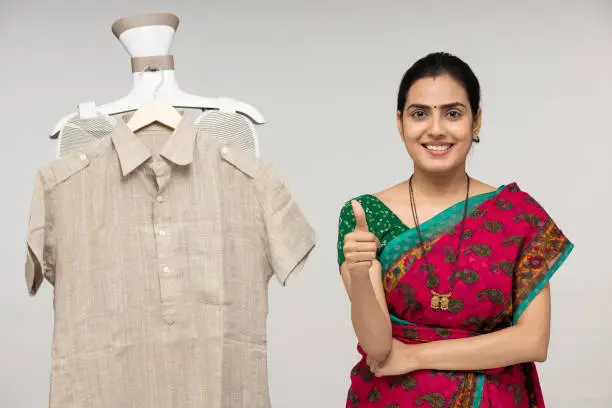
Choosing the right traditional outfit can be an enriching experience that connects us to our culture and heritage. Traditional attire often embodies stories, values, and even historical significance, making it a meaningful choice for various occasions. However, selecting the perfect outfit requires careful consideration of multiple factors, including the event’s nature, cultural context, and personal style. Whether it’s a festive celebration, a formal gathering, or a casual get-together, understanding the nuances of traditional wear can enhance your comfort and confidence.
In this guide post, we’ll explore how to choose the ideal traditional outfit for different occasions, ensuring you leave a lasting impression while honoring your roots. For inspiration and guidance, you can refer to this traditional outfit guide https://www.alpenwahnsinn.de/Blog,9937c.htm that shares insights into various styles and options.
When it comes to selecting a traditional outfit, understanding the occasion is paramount. Different events call for different levels of formality and styles of attire. For example, weddings may require more elaborate and ornate outfits, often adorned with intricate designs and vibrant colors that reflect celebration.
On the other hand, family gatherings or casual meetups may allow for lighter, more comfortable attire, such as simpler kurtas or lehengas. Seasonal factors also play a role; opting for warmer fabrics in winter and lighter, breathable materials in summer can enhance your comfort level.
Consider Your Body Shape
Body shape is another important factor when it comes to selecting a traditional outfit. Not every style suits every body type, so it’s essential to choose what flatters your figure. For instance, if you have an hourglass shape, tailored outfits, such as fitted lehengas or sarees that cinch at the waist, can highlight your curves beautifully.
For those with a pear-shaped body, A-line skirts or flared salwar kameez can balance proportions, drawing attention to the upper body. If you’re on the taller side, floor-length anarkalis can add grace to your silhouette. Additionally, understanding your body shape will help you select appropriate cuts and fabrics that enhance your features and make you feel confident.
Choose the Right Colors
Color selection significantly impacts the overall look and feel of a traditional outfit. Different colors evoke various emotions and resonate with particular occasions. While bright colors like red or gold are often favored for weddings and celebratory events, softer hues like pastels may be ideal for daytime gatherings or family functions.
Seasonal trends can also influence color choices; earthy tones may resonate better in autumn, while vibrant shades pop during summer festivities. Importantly, consider your skin tone when selecting colors. Warm skin tones usually pair well with earth tones and richly saturated colors, while cooler tones may be complemented by jewel shades. Understanding color theory can not only enhance your appearance but also make you feel exude confidence at any event.
Accessorizing is Key
Accessories can elevate a traditional outfit and provide a personalized touch. Choosing the right jewelry, shoes, and other accessories can significantly enhance your overall appearance and complement your outfit. For instance, if you’re wearing a simple kurta, ornate earrings or a statement necklace can add flair and elegance. When accessorizing, consider the balance; if your outfit is heavily embellished, opt for more understated accessories.
Footwear is also essential; traditional juttis or sandals can enhance your look and ensure comfort, especially if you’ll be standing for long periods. Additionally, incorporating traditional bags like potlis or clutches can tie your ensemble together seamlessly. Remember that when accessorizing, less is often more, and the goal is to augment your outfit, not overpower it.
Understanding Fabric Choices
The fabric of your traditional outfit should suit both the occasion and your personal comfort. Natural fabrics like cotton, silk, and linen are commonly used for traditional wear and have various attributes that serve different purposes. For instance, silk may be ideal for formal events, providing a luxurious feel, while cotton is perfect for casual outings due to its breathability and comfort.
In addition, consider the climate; heavier fabrics like velvet may be suitable for winter events, while lighter fabrics are preferable for summer gatherings. It’s also worth researching how different fabrics drape and behave, as this can greatly affect the outfit’s overall aesthetic and your mobility. The right fabric choice not only enhances your comfort but also influences the visual impact of your ensemble.
Footwear Makes a Difference
Choosing the right footwear to complement your traditional outfit is essential. Traditional footwear options, such as juttis, mojaris, and sandals, can add an authentic touch while enhancing your overall appearance. Consider the occasion when selecting footwear; ornate juttis may pair well with formal attire, while more modest sandals might be better suited for casual events.
Comfort is another vital consideration; avoid shoes that pinch or cause discomfort, particularly during long events. Platforms or low heels can provide additional support while offering a traditional flair. Match the color and style of your footwear to your outfit for a cohesive and put-together appearance.
FAQs
What should I wear for a formal traditional event?
For a formal traditional event, opt for an ornate outfit such as a heavily embellished lehenga, saree, or sherwani. Fabrics like silk or brocade are ideal, and pair with elegant jewelry and suitable footwear.
Which colors are best for festive occasions?
Bright and vibrant shades like red, gold, and royal blue are traditional for festive occasions. These colors symbolize celebration and joy, reflecting the occasion’s spirit.
Can I wear traditional outfits to casual gatherings?
Absolutely! Simple styles like kurtas or basic lehengas work well for casual gatherings. Choose comfortable fabrics like cotton and pair them with less ornate accessories.
How do I choose the right size for a traditional outfit?
Always refer to size charts specific to the brand or shop you are purchasing from and consider getting your measurements taken for a precise fit. Tailoring options are beneficial for achieving the perfect fit.
What accessories should I wear with a traditional outfit?
Choose accessories that complement your outfit’s style and color. Traditional jewelry, like bangles and earrings, along with a matching clutch or handbag, can enhance your look without overwhelming it.
Conclusion
Choosing the perfect traditional outfit for any occasion is not just about the attire itself, but also how it resonates with personal style and cultural significance. By considering factors like the occasion’s nature, understanding your body shape, selecting the right colors and fabrics, and accessorizing thoughtfully, you can create a look that is stylish, comfortable, and representative of your heritage. Each element falls into place beautifully when you’ve put thought into your selection, leading to a finished look that is not only visually appealing but also imbues confidence. Whether attending a festive celebration, a wedding, or a family gathering, taking the time to prepare ensures that you can honor your traditions while also feeling at your best.
