


Emergencies can happen at any time and in many different places. They may occur at home, at school, in the workplace, or in public areas. An emergency is any situation where a person’s safety, health, or life is in danger, and immediate action is required.
Knowing how to recognize an emergency and respond in the right way can save lives and prevent injuries from becoming more serious. Because of this, everyone needs to understand the basic steps for handling emergencies. Read on.
Recognizing the Signs of an Emergency
The first step in responding to an emergency is being able to recognize when something is wrong. Some emergencies are easy to identify, such as fires, car accidents, floods, or earthquakes. These situations clearly require immediate attention.
However, other emergencies may not be as obvious but can still be very serious. Medical emergencies often show warning signs. A person might suddenly collapse, experience severe chest pain, have difficulty breathing, or lose consciousness.
Heavy bleeding, choking, seizures, or sudden confusion may also indicate a serious condition. Being aware of what is happening around you is important. Recognizing the signs early allows people to act faster and seek assistance right away.
Staying Calm and Assessing the Situation
When an emergency occurs, people may feel frightened or overwhelmed. While this reaction is normal, staying calm is very important. Panic can make it difficult to think clearly and respond effectively.
Take a moment to breathe and carefully look at the situation. Try to understand what happened and who needs help. At the same time, check if the environment is safe.
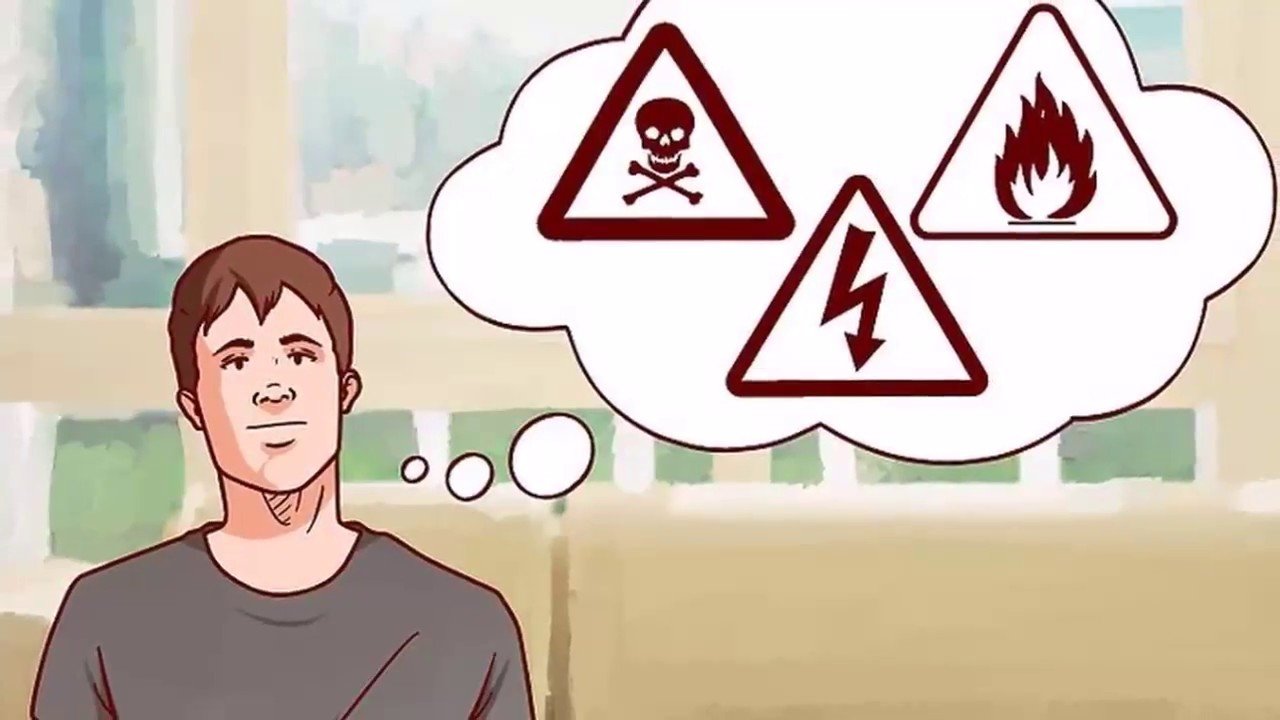
There may be hazards such as fire, smoke, electrical wires, broken glass, or damaged structures nearby. If the area is unsafe, move to a safer location if possible before helping others. Protecting your own safety should always come first.
Calling for Immediate Help
After understanding the situation and ensuring your safety, the next step is to call for help. Emergency services are trained to respond to dangerous situations and provide medical assistance quickly.
Use a phone to contact the local emergency number as soon as possible. Provide clear information, including your location, what happened, and how many people are involved. If possible, explain the condition of the injured person so responders know what to expect.
If other people are nearby, you can ask someone else to make the call while you stay with the injured person. This helps ensure that help is requested quickly while assistance is already being given.
Providing Basic First Aid
While waiting for professional help to arrive, basic first aid can help stabilize the injured person. Simple actions can sometimes prevent a situation from becoming worse.
For example, if someone is bleeding heavily, applying firm pressure to the wound with a clean cloth can help control the bleeding. If a person is choking, assisting them in clearing their airway may help them breathe again. If someone is unconscious and not breathing, cardiopulmonary resuscitation (CPR) may help maintain blood flow and oxygen in the body.
Learning first aid skills through proper training can prepare individuals to respond more confidently during emergencies. Check out Cprcertificationnow.com to learn more.
Be Prepared for the Unexpected
Recognizing and responding to emergencies is an important skill that everyone should learn. By staying alert, remaining calm, calling for help quickly, and providing basic first aid, individuals can help protect lives and reduce harm during dangerous situations. Being prepared and informed can make a significant difference when emergencies occur.
If you want to read more articles, visit our blog.
