


The plan seemed economical. Hire the smallest van, buy a few boxes and ask friends to help on Saturday. By lunchtime, one glass table was chipped, a wall had a fresh mark from the sofa, and the vehicle needed to be returned before half the belongings had reached the new address.
Nothing especially dramatic had happened. That was the problem. The extra costs appeared one by one, disguised as small inconveniences. Another trip meant more fuel. The late return added to the rental charge. A damaged item needed replacing, while the following day disappeared into finishing a move that was supposed to take a few hours.
Doing everything yourself can be the right choice for a genuinely small and simple relocation. But when the decision is based only on the lowest visible price, a cheap move can become surprisingly expensive.
The Van Is Only the First Cost
Comparing the price of van hire with a professional removals quote rarely gives the full picture.
A rented vehicle still needs fuel, suitable insurance and enough time to complete the job. If the van is too small, several journeys may be required. That adds mileage and can extend the rental into another day. Parking charges or permits may also become part of the bill, particularly in busy towns and city centres.
There is also the journey to collect and return the vehicle. A move that looked affordable on the booking page can cost considerably more once every practical detail is included.
A professional removals company calculates the job differently. The vehicle, number of movers and expected duration should be selected according to the actual volume and access at both properties. The price may look higher at first, but it is based on completing the whole move rather than simply providing a set of keys to a van.
Damage Is Where the Biggest “Savings” Disappear
Furniture does not need to be dropped from a staircase to become damaged.
A wardrobe can split when lifted from the wrong point. A television can crack because another box presses against the screen. Glassware may survive loading but break after moving around during the journey. Floors, walls and door frames are also vulnerable when large items are carried through tight spaces without protection.
Replacing one damaged appliance or piece of furniture can wipe out the money saved by avoiding professional help. Sentimental belongings create a different problem because no refund or replacement can restore their real value.
Experienced movers use protective materials and load the vehicle so that items remain stable. They also understand how weight should be distributed and which belongings must never be placed underneath heavier furniture. These details are easy to overlook when the main aim is simply to make everything fit.
Time Has a Cost Too
DIY moves often take longer because every stage is being worked out for the first time.
Furniture may need dismantling halfway through the day. Boxes are loaded in an order that makes unloading harder. Friends arrive at different times, while one person repeatedly travels between properties. The original schedule disappears quickly.
That lost time may mean taking another day away from work, arranging extra childcare or postponing cleaning and handing over the old property. Even when these costs do not appear on a receipt, they still affect the real price of the move.
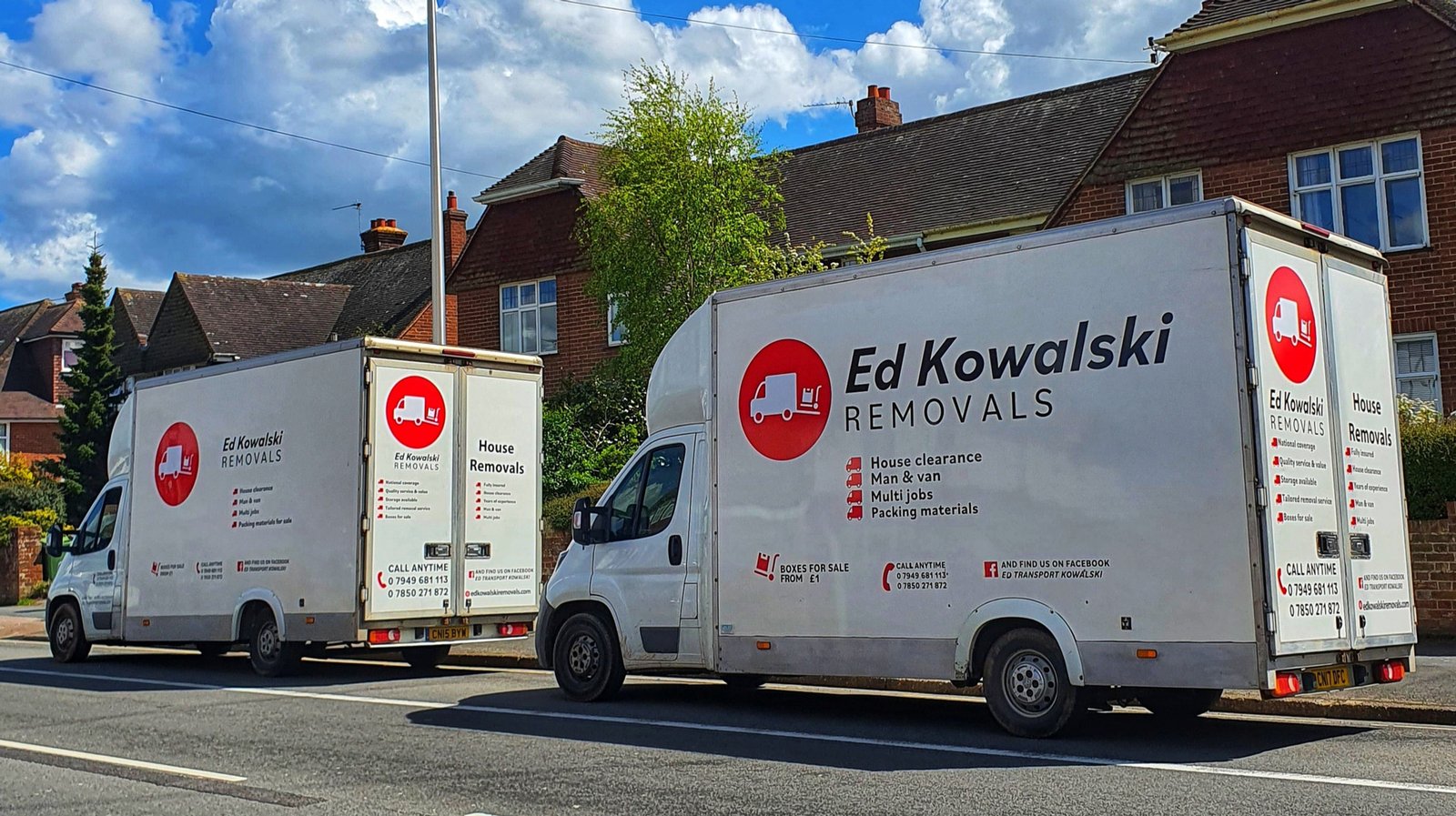
A professional team works from a plan. Ed Kowalski Removals, for example, assesses the size of the job, access and heavier items before recommending the appropriate team and vehicle. The aim is not to make the service larger than necessary, but to avoid the delays created when a move has been underestimated.
Friends Are Helpful, but They Are Not Insured Movers
Asking friends and relatives for help is perfectly reasonable. The difficulty begins when the entire move depends on them.
Someone may cancel. Another person may be happy carrying boxes but unable to handle heavy furniture. Few people have experience moving washing machines or large wardrobes safely down stairs. Fatigue also changes the way people lift and carry items as the day goes on.
An injury can turn a cheap move into a much more serious problem. Back strains, trapped fingers and falls often happen because people are rushing or trying to control an awkward object without enough support.
Professional movers bring more than strength. They bring lifting techniques, equipment and an understanding of when an item requires additional people or a different approach.
Poor Packing Creates Costs Later
Saving money on packing materials can be another false economy.
Weak boxes may collapse when lifted or stacked. Bags offer little protection and are difficult to secure inside the vehicle. Fragile items wrapped in old newspaper may still knock against each other during transport.
Good packing materials are not an unnecessary extra. They protect the belongings and make loading more efficient. Strong boxes can be stacked safely, while clear labels help movers place them in the correct rooms at the new property.
A removals company can provide full packing support, but that is not the only option. Customers can pack most items themselves and request professional help only for mirrors, artwork, electronics or other delicate belongings. The scope should reflect the real risks involved.
The Right Service Is Not Always the Most Expensive One
Hiring professionals does not automatically mean paying for the largest possible removals package.
A reliable company should first establish what needs to be moved. A small flat may require a modest team and vehicle. A larger family home or long-distance relocation needs more planning. Packing, clearance or furniture dismantling can be added only when they are genuinely useful.
This is where the difference between price and value becomes clear. Ed Kowalski Removals handles moves in Exeter, across Devon and on longer routes throughout the UK, adjusting the service to the property, volume and customer’s level of involvement. Some people want the whole move managed. Others only need professionals for loading, transport and the difficult items.
Paying for the right support is very different from paying for unnecessary extras.
Cheap Is Only Cheap When Nothing Goes Wrong
A DIY move can work well when the load is small, access is easy and there is enough time to complete the job without rushing. The mistake is assuming that every move fits that description.
Before deciding, add up more than the van rental. Consider fuel, insurance and packing materials. Think about the value of your time and the cost of replacing damaged belongings. Look honestly at the furniture, the stairs and the distance between the vehicle and each front door.
The lowest starting price may still be the right option. But if it depends on perfect traffic, perfect packing and a sofa suddenly becoming easier to carry, it is not really a saving. It is a bet.
