


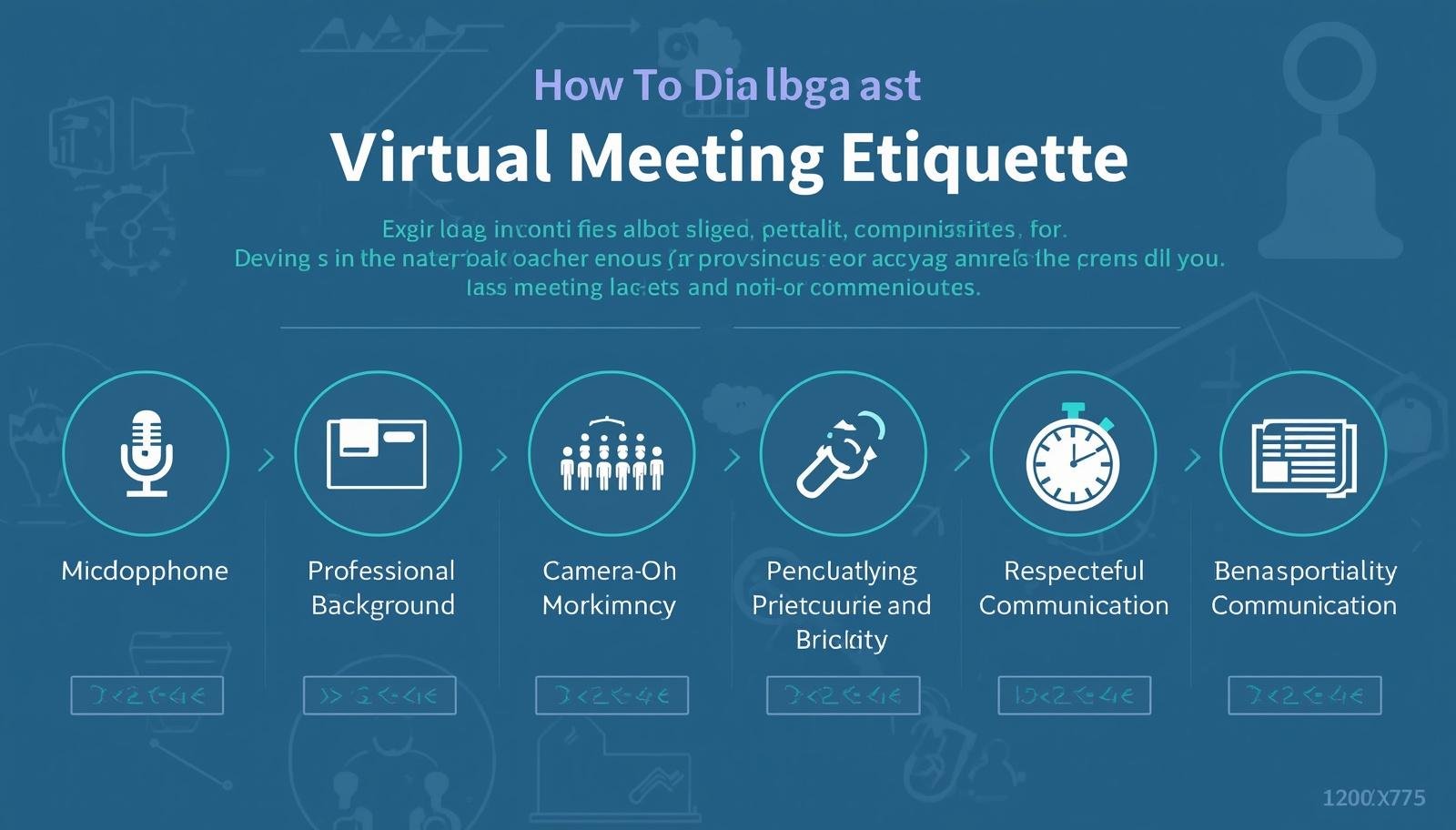
In today’s digital world, virtual meetings have become a regular part of professional life. Whether you are working remotely, attending online classes, or managing global teams, understanding Virtual Meeting Etiquette is essential. It helps create a positive impression, improves communication, and ensures meetings run smoothly. Good etiquette is not just about being polite; it reflects your professionalism and respect for others’ time.
This guide will help you understand the key principles of virtual meeting etiquette and how to apply them effectively in your daily work.
Why Virtual Meeting Etiquette Matters
Building Professional Image
When you follow proper virtual meeting etiquette, you present yourself as organized and reliable. Small actions like joining on time, dressing appropriately, and being attentive can build trust with colleagues and clients.
Improving Communication
Clear communication is one of the biggest benefits of good etiquette. When everyone follows basic rules, meetings become more productive and misunderstandings are reduced.
Respecting Time and Effort
Virtual meetings involve multiple participants, often from different time zones. Practicing virtual meeting etiquette shows that you value others’ time and effort, which strengthens professional relationships.
Preparing Before the Meeting
Test Your Technology
Before joining a meeting, make sure your internet connection, microphone, and camera are working properly. Technical issues can delay the meeting and create frustration for others.
Choose a Quiet Environment
Select a calm and quiet place where you will not be disturbed. Background noise can distract participants and reduce the quality of the discussion.
Dress Professionally
Even though you are attending from home, your appearance matters. Dressing neatly shows respect and aligns with proper virtual meeting etiquette.
Review the Agenda
Always go through the meeting agenda in advance. This helps you stay focused and contribute effectively during the discussion.
Behavior During the Meeting
Join on Time
Punctuality is a key part of virtual meeting etiquette. Joining late can interrupt the flow and give a negative impression.
Keep Your Microphone Muted
Mute your microphone when you are not speaking. This reduces background noise and ensures clear communication for everyone.
Use the Camera Wisely
Turn on your camera when required, especially in professional settings. It helps create a sense of connection and engagement among participants.
Avoid Multitasking
Focus on the meeting instead of checking emails or browsing. Active participation shows respect and improves the quality of discussions.
Speak Clearly and Concisely
When it’s your turn to speak, be clear and to the point. Avoid long explanations and stay relevant to the topic.
Communication Best Practices
Use Professional Language
Always use polite and professional language during meetings. Avoid slang or casual expressions that may not be appropriate in a formal setting.
Listen Actively
Good virtual meeting etiquette includes listening carefully when others are speaking. Do not interrupt, and wait for your turn to respond.
Use Chat Features Appropriately
Chat boxes can be useful for sharing links or asking questions. However, avoid unnecessary messages that may distract others.
Respect Cultural Differences
In global meetings, participants may come from different backgrounds. Be respectful and mindful of cultural differences in communication styles.
Managing Visual and Audio Presence
Maintain Eye Contact
Look at the camera while speaking to create a sense of eye contact. This makes your communication more engaging and professional.
Use Proper Lighting
Ensure your face is well-lit so others can see you clearly. Avoid sitting in dark or overly bright environments.
Keep Background Clean
A clean and simple background reflects professionalism. Avoid clutter or distracting elements behind you.
Handling Common Virtual Meeting Challenges
Dealing with Interruptions
If you face interruptions at home, handle them calmly and professionally. Mute your microphone and return to the meeting quickly.
Managing Technical Issues
If you experience technical problems, inform the host through chat or email. Rejoin the meeting as soon as possible.
Staying Engaged in Long Meetings
Long meetings can be tiring. Stay engaged by taking notes, asking questions, and participating when needed.
Role of Meeting Hosts
Set Clear Expectations
Hosts should share the agenda, meeting rules, and expected outcomes in advance. This helps participants prepare better.
Manage Time Effectively
Keeping the meeting on schedule is an important part of virtual meeting etiquette. Avoid unnecessary discussions that extend the meeting.
Encourage Participation
A good host ensures that everyone gets a chance to speak and contribute. This creates a balanced and productive discussion.
Post-Meeting Etiquette
Send Follow-Up Notes
After the meeting, share key points, decisions, and action items. This ensures clarity and accountability.
Complete Assigned Tasks
If you are given any responsibilities, complete them on time. This reflects your professionalism and reliability.
Provide Feedback
Constructive feedback helps improve future meetings. Share your thoughts politely if needed.
Tips to Improve Virtual Meeting Etiquette
Practice Regularly
Like any skill, virtual meeting etiquette improves with practice. The more meetings you attend, the better you understand professional behavior.
Stay Updated with Tools
Learn how to use meeting platforms effectively. Knowing features like screen sharing, mute controls, and chat functions can enhance your performance.
Be Mindful of Body Language
Even in virtual meetings, body language matters. Sit straight, avoid unnecessary movements, and show attentiveness.
Common Mistakes to Avoid
Joining Without Preparation
Attending a meeting without preparation can lead to confusion and poor participation.
Ignoring Meeting Rules
Not following basic rules like muting your microphone or respecting speaking turns can disrupt the meeting.
Overusing Technology
Using too many features or effects can distract others. Keep your approach simple and professional.
FAQs About Virtual Meeting Etiquette
What is virtual meeting etiquette?
Virtual meeting etiquette refers to the set of rules and behaviors that ensure professional and effective communication during online meetings. It includes punctuality, proper communication, and respectful interaction. Following these guidelines helps create a productive and positive meeting environment for everyone involved.
Why is virtual meeting etiquette important?
It is important because it improves communication, saves time, and builds a professional image. When everyone follows proper etiquette, meetings become more organized and efficient. It also helps in maintaining respect and understanding among participants.
Should I keep my camera on during meetings?
Keeping your camera on is recommended in most professional settings as it shows engagement and attentiveness. However, it may depend on the meeting type or company culture. Always follow the guidelines set by the host or organization.
How can I avoid distractions during virtual meetings?
Choose a quiet place, turn off notifications, and focus only on the meeting. Avoid multitasking and keep your workspace organized. These steps help you stay attentive and maintain proper virtual meeting etiquette.
What should I do if I face technical issues?
If you encounter technical problems, inform the host immediately through chat or email. Try to fix the issue quickly and rejoin the meeting. Being proactive shows responsibility and professionalism.
Conclusion
Mastering virtual meeting etiquette is essential in today’s digital workplace. It helps you communicate effectively, build strong professional relationships, and create a positive impression. By following simple practices like being punctual, staying attentive, and respecting others, you can make every virtual meeting successful. Consistency and awareness are the keys to improving your online communication skills.Introduction to Virtual Meeting Etiquette
